
AI as a Cost Cutter vs. a Growth Engine
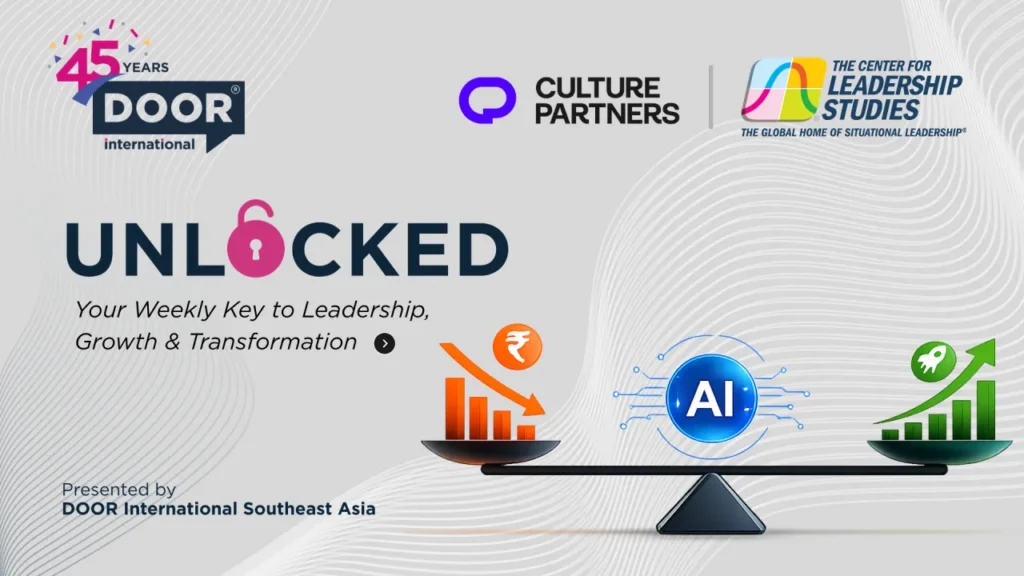
Executives are being sold two stories about AI right now.
One is that it will magically transform the business overnight. The other is that it is too disruptive, too risky, or too controversial to touch. Both stories can become expensive distractions.
On a recent episode of CEO Daily Brief, I spoke with Nicole Mangarella from SPS about how companies are actually using agentic AI today. The answer was far more practical than the hype cycle suggests. And it’s not that sexy.
They’re reducing operational drag. Think about the amount of time teams waste every week booking rooms, coordinating visitors, arranging catering, managing AV requests, and bouncing between disconnected systems to complete routine tasks. These issues rarely show up in strategy decks, but they pull talent away from higher-value work.
That is where agentic AI can drive immediate business value. When friction is removed, speed increases. Administrative costs decline. Employees can focus on customers, growth, innovation, and decisions that impact revenue. And yes, you probably need less administrative assistants. But that’s not the whole story.
AI can’t only be framed as a labor reduction tool. That narrow view creates fear internally and leaves money on the table externally. If your workforce believes innovation is simply code for cuts, you’re going to get resistance to adoption.
Nicole suggests shifting the focus to redeployment. She pointed to IKEA, a $52 billion (€44.6 billion) global home furnishings retailer, as a strong example. After driving efficiencies in customer service, IKEA redeployed that talent to build a new interior design offering — creating a new revenue stream worth $1.52 billion (€1.3 billion) from the same workforce. As a leader, this is your permission to think bigger. You can use those productivity gains to expand capacity. Use freed-up talent to improve service. Use operational savings to fund growth. Use better systems to move faster than competitors.
Taking care of people and improving the bottom line aren’t competing priorities. They can reinforce each other when approached creatively. Many organizations haven’t figured this out yet, which makes it a competitive advantage. I’ll be speaking more about leadership, business performance, and workplace innovation at the SPS Connected Workplace Experience this June in New York alongside leaders including Nicole Mangarella. If you are focused on growing results in a changing market, I hope to see you there.
Elsewhere in Culture
Decisions vs. Choices This week on CEO Daily Brief, John Frehse and I attempted to untangle the difference between decisions and choices and may have confused ourselves in the process. But underneath the chaos was a useful point. Decisions are often transactional, selecting from the options in front of you. Choices are deeper. They are about defining what matters, what problems deserve attention, and what kind of leader you want to be. In a world drowning in data, dashboards, and endless optimization, the real work may be choosing what deserves your energy in the first place.